How often a B2B database should actually be re-verified
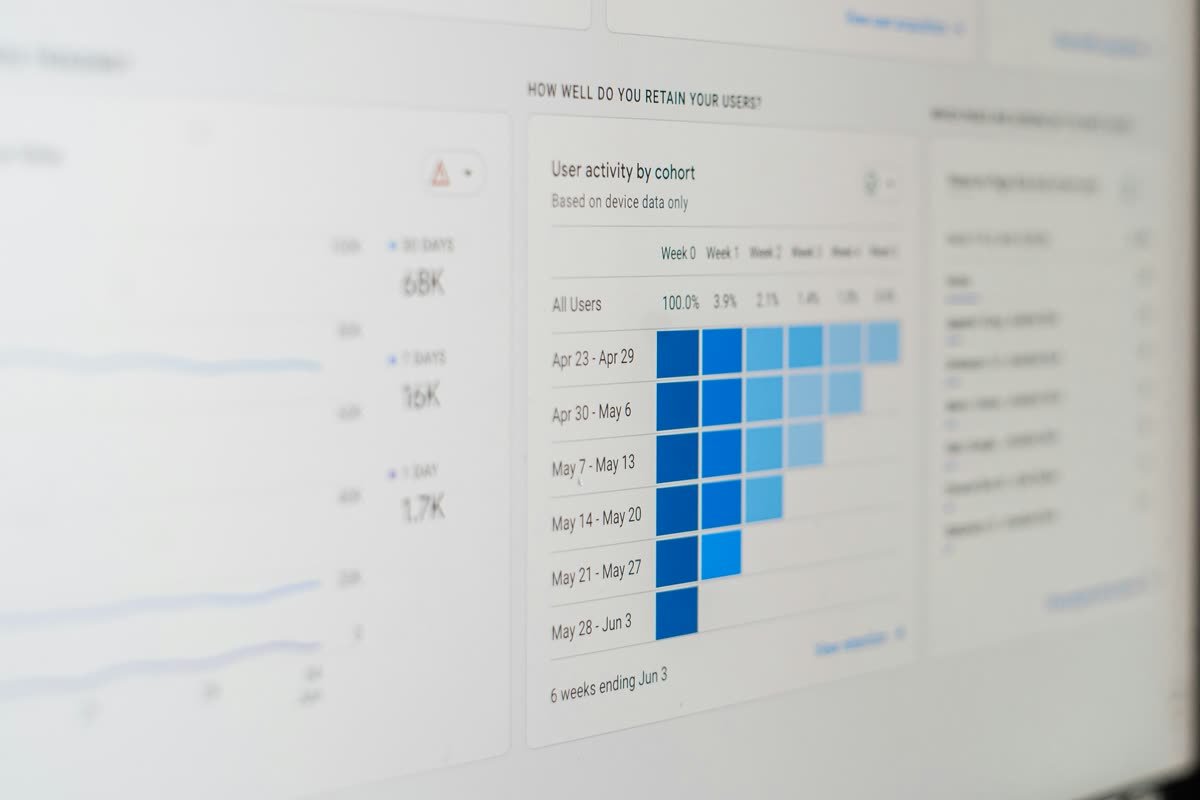
Data decays faster than most teams assume. A contact list that was accurate in January is measurably less accurate by June, not because anyone did anything wrong, but because people change jobs, companies restructure, and phone numbers get reassigned continuously, whether or not a database owner is paying attention to it.
B2B contact turnover runs high enough that a database left untouched for a year can have a meaningful share of its records out of date by the time anyone notices, usually only after bounce rates or call connect rates have already dropped and a campaign is already underperforming. Waiting for performance to signal a data problem means the damage, hurt sender reputation, wasted rep hours, already happened before the fix started.
There is no single right cadence, because different fields decay at different speeds. Job titles and company affiliations shift faster than core firmographic details like industry or company size. We verify against multiple signal types on different schedules rather than running one blanket cleanse, so the fields that go stale fastest get checked most often instead of everything being treated as equally fragile.
This is also why we do not treat verification as a project with a start and end date. Our database of 46M+ records is checked continuously rather than on a periodic batch schedule, so a record flagged as outdated gets corrected before it ever reaches a live campaign, instead of sitting in the system until the next scheduled cleanse catches it.
Continuous verification costs more effort than an annual scrub, but it is what keeps outreach landing on real, current contacts instead of quietly degrading between cleanses, and it is a direct contributor to why campaigns built on our database consistently outperform ones run against a list bought once and reused for a year.
Want help putting this into practice?
Our team runs these exact strategies for B2B clients every day, at a 94% success rate.
Talk to our team