
Picking a webinar panel that gets questions, not silence
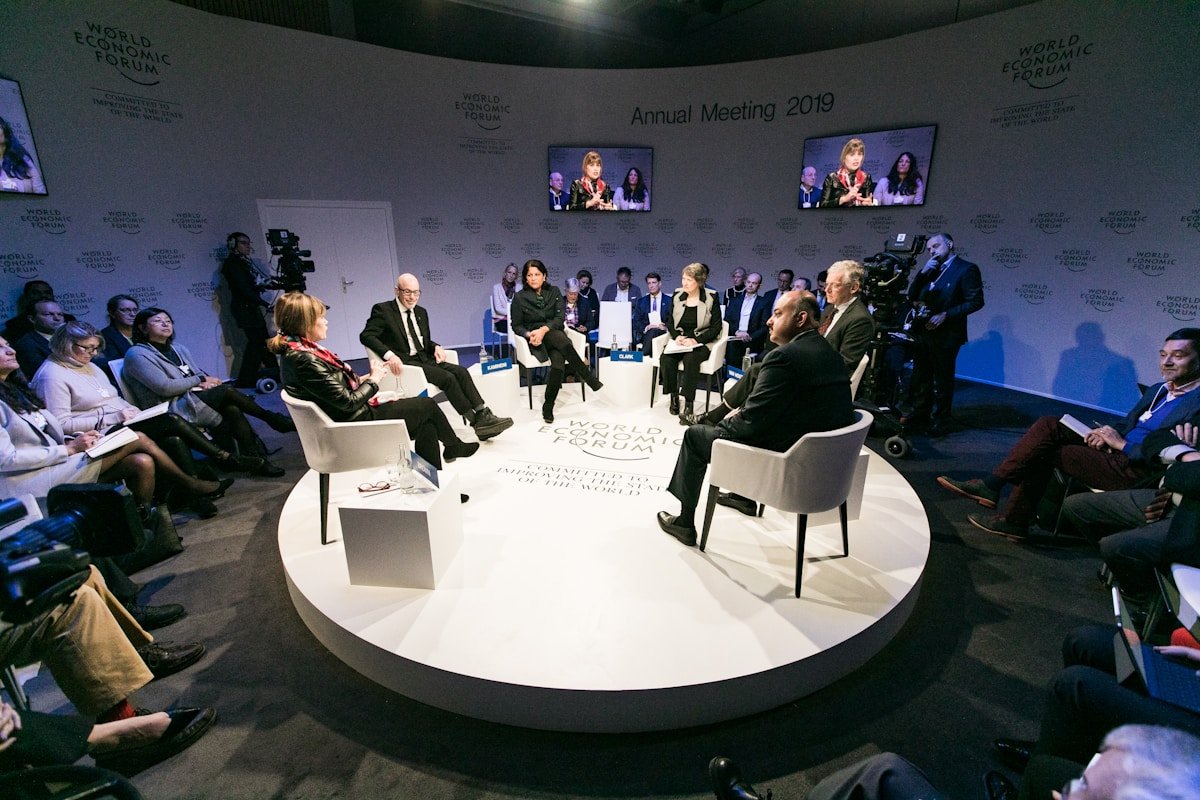
A panel of polished speakers with nothing to disagree about produces exactly the kind of webinar that loses its room by minute fifteen: a quiet chat box, a monologue split three ways instead of a real discussion, and an audience that stops paying attention once it becomes clear nothing unexpected is going to happen. Panel selection determines engagement far more than most planning gives it credit for.
We look for speakers who hold a specific, sometimes contrarian point of view on the topic, not just credentialed representatives of a broad subject area. Two speakers who see a problem the same way have nothing to work out live in front of an audience, but two speakers with a genuine difference in approach, even a small one, create the kind of real-time back-and-forth that pulls an audience out of passive viewing and into actually following the conversation.
We also prioritize speakers comfortable fielding an unscripted question over speakers who are only strong when reading from prepared talking points. A panelist who can take a live audience question and give a real, specific answer, rather than pivoting back to a rehearsed point, is what makes the Q&A segment the most valuable part of the session instead of the part where energy visibly drops.
Panel size matters more than it seems. Beyond three or four speakers, individual airtime shrinks to the point where nobody gets to make a real point, and audience questions get spread so thin across panelists that no single answer has room to go deep. A tighter panel with real depth on the topic consistently outperforms a larger one assembled mainly for the credibility of extra names on the promotional page.
Choosing a panel this way is part of the same planning discipline that happens before promotion starts: a registration page can promise a good conversation, but only the right combination of speakers actually delivers one, and it is that delivered conversation, not the promotional copy, that turns attendees into the kind of engaged, question-asking prospects worth a direct sales follow-up.
Want help putting this into practice?
Our team runs these exact strategies for B2B clients every day, at a 94% success rate.
Talk to our team