Reading intent signals without guessing

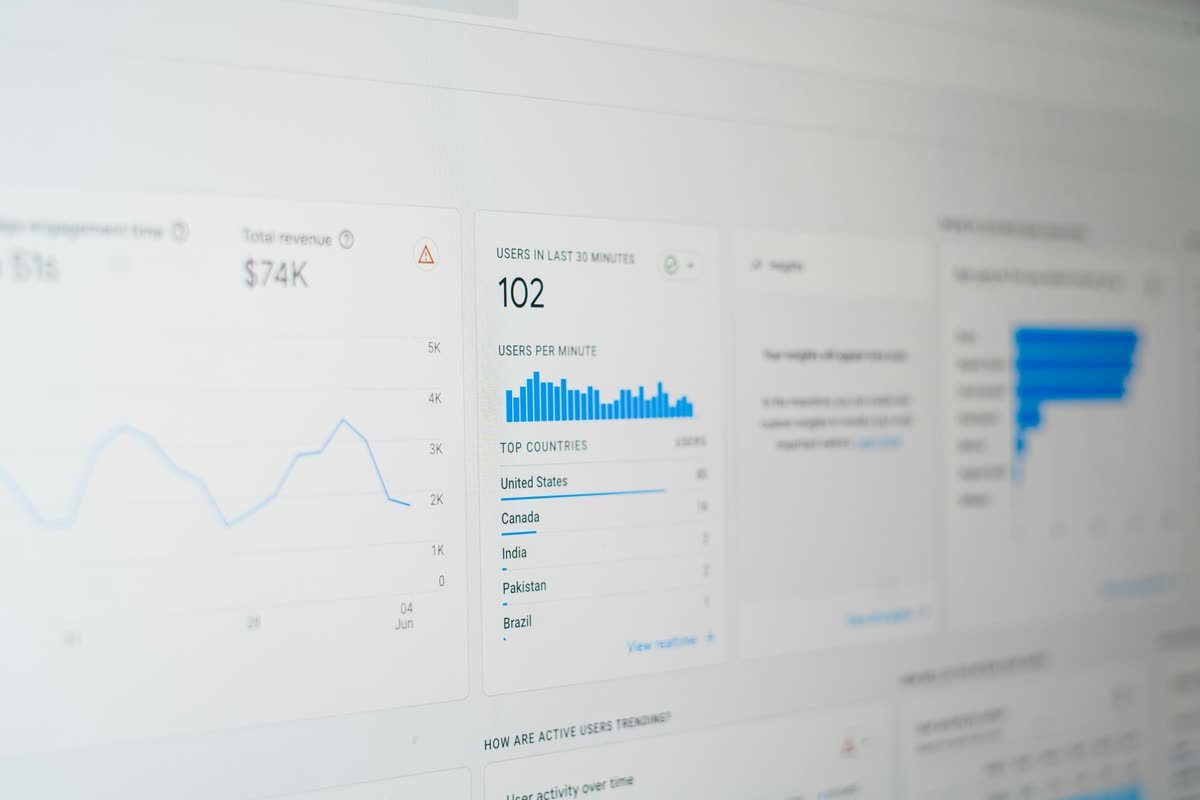
Intent data is only useful if you know which signals actually correlate with pipeline. Most teams buy an intent feed, see a spike on a keyword, and treat it as a green light. In practice, a single spike tells you almost nothing. Patterns tell you something.
What we look for first is sustained research activity across multiple related topics from the same account, not a one-off surge. A company researching "ABM software," "lead scoring," and "sales pipeline tools" in the same two-week window looks very different from one keyword trending for a day. The first pattern usually means an active buying process; the second is often just a blog post going around internally.
Second, we weigh intent against fit. A high-intent signal from a company outside your ideal customer profile is not a lead, it is noise with a good story attached. We only escalate accounts where behavioral signal and firmographic fit line up, which keeps sales time focused on the contacts most likely to convert.
Third, timing decays fast. Intent signals are most predictive in the first one to two weeks after they appear. Waiting a month to act on a spike means engaging an account after they have likely already shortlisted vendors. Our nurture and outreach sequences are built to trigger within days of a qualifying signal, not at the end of a monthly review cycle.
Used this way, against a continuously verified database of 46M+ records, intent data stops being a vanity dashboard and starts being a prioritization engine, telling your team exactly which accounts to call first, this week.
Want help putting this into practice?
Our team runs these exact strategies for B2B clients every day, at a 94% success rate.
Talk to our team