Surge alerts are not a scoring system: the difference between an intent tool and an intent program

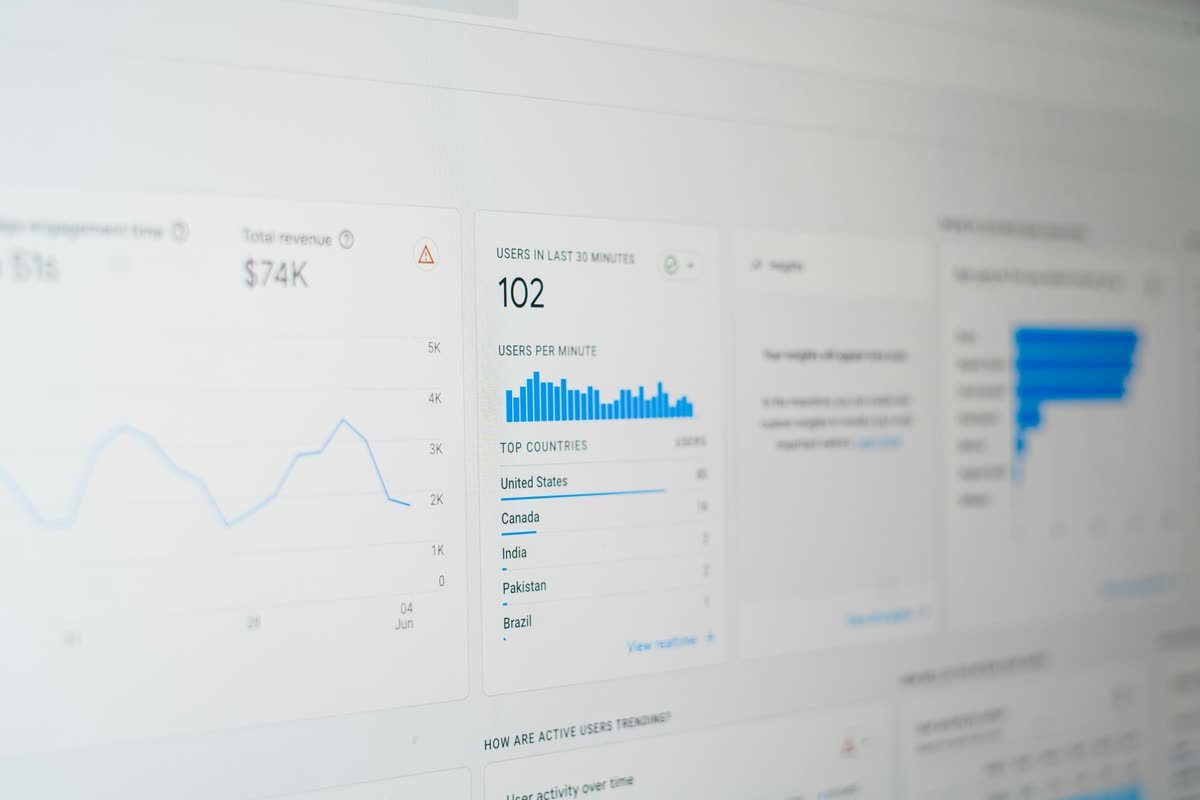
A tool that pings when a keyword spikes for a given account is not the same thing as a program that scores, weighs, and routes that signal into an actual next action, and a lot of teams buy the first and assume it functions as the second. A surge alert tells you activity happened. It does not tell you whether that activity was strong enough, corroborated enough, or timely enough to actually act on, and treating every alert as equally actionable is how an intent tool generates noise instead of prioritization.
A real intent program adds the layers a raw alert tool does not provide on its own: weighting a signal by role, corroborating it against first-party behavior, checking whether it is an isolated spike or part of a sustained pattern across related topics. Two accounts can trigger the identical surge alert on the same keyword and represent completely different levels of actual buying likelihood once those additional layers get applied, a distinction a raw alert feed alone cannot make.
Routing is the other piece a tool does not handle by itself. An alert sitting in a dashboard, however well-scored, does nothing until it triggers a defined next action, addition to a priority calling queue, an accelerated nurture track, a specific email sequence, within a window that actually matters given how fast intent signal decays. A program without this routing layer generates the same information a tool would and simply lets it sit there, unconverted into anything sales or marketing actually does differently.
We treat the alert itself as the least valuable part of the whole system, useful only as the trigger that starts everything else: scoring, corroboration, prioritization, and routing to the right channel within days. A team that stops at the alert, checking a dashboard periodically and reacting to whatever looks interesting that week, is using a fraction of what intent data can actually provide, regardless of how sophisticated the underlying alert technology is.
Understanding this distinction is what determines whether an investment in intent data actually pays off or just adds another dashboard nobody consistently checks, and building the scoring, corroboration, and routing layers around raw signal, not just subscribing to an alert feed, is what turns intent data into the operational trigger it is supposed to be, catching qualifying accounts within days of a real signal instead of weeks after a dashboard alert quietly went unnoticed.
Want help putting this into practice?
Our team runs these exact strategies for B2B clients every day, at a 94% success rate.
Talk to our team